Social regulation in families: “Building Emotional Balance and Harmony at Home following Islamic perspective”
Families are the first and most enduring environment in which individuals learn to regulate emotions, behaviors, and social interactions. Social regulation within families refers to the way members influence each other’s emotional states, guiding responses through empathy, communication, and shared values. Parents model patience and resilience, spouses balance each other’s moods, and children learn self‑control through gentle guidance. These everyday exchanges create a foundation for emotional intelligence, shaping how individuals later interact in schools, workplaces, and communities. From an Islamic perspective, the Qur’an emphasizes compassion, patience, and mutual respect within family life, offering timeless principles that strengthen harmony and resilience at home.
Parent–Child Social Regulation
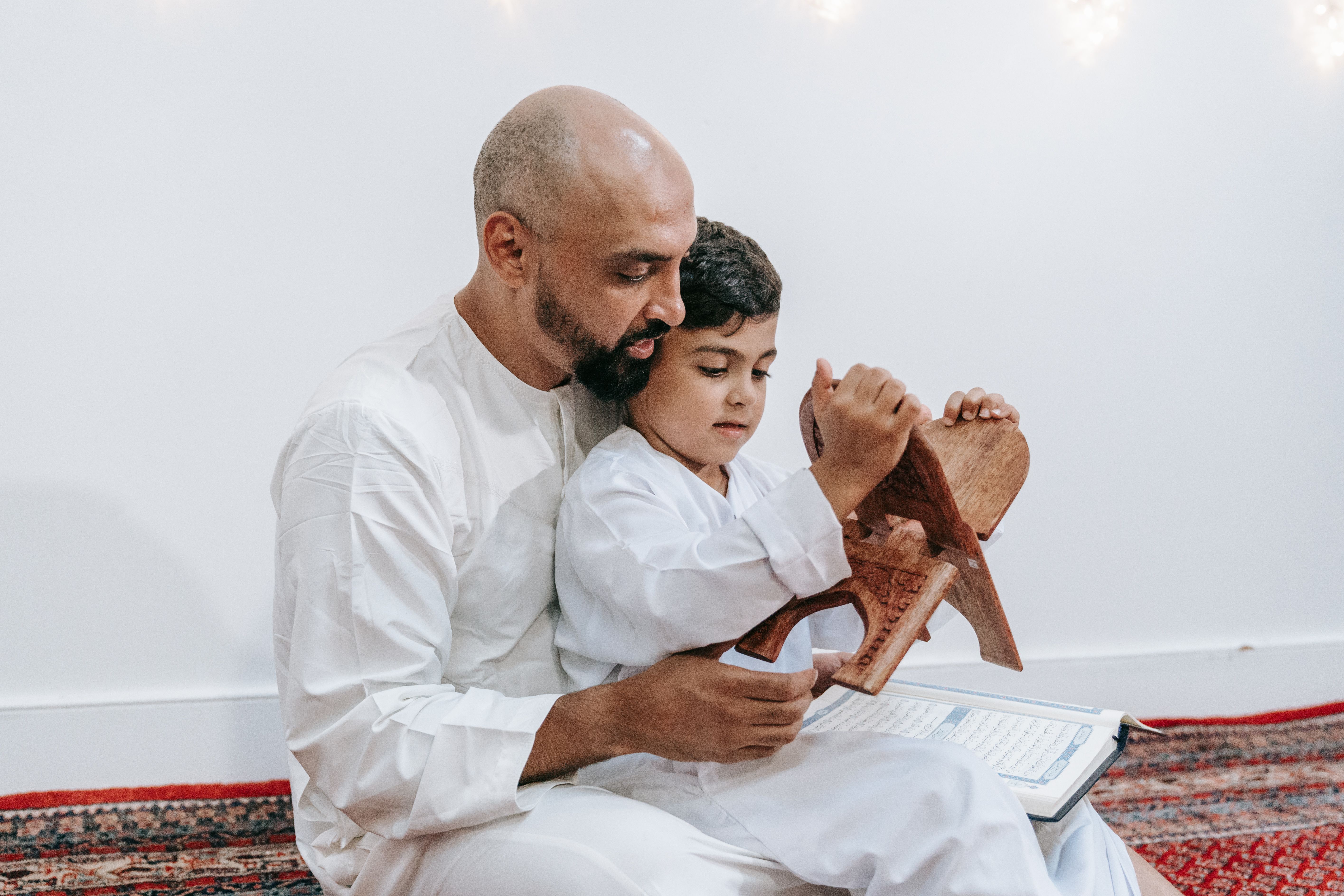
The parent–child relationship is the most formative context for learning emotional balance. Parents act as role models, demonstrating how to respond calmly to frustration, joy, or disappointment. When a child experiences strong emotions—such as anger after a conflict at school or sadness from a setback—parents regulate by offering empathy, gentle questioning, and reassurance. This helps children recognize their feelings, name them, and gradually learn self‑control.
Daily routines also play a vital role: bedtime rituals, shared meals, and consistent discipline provide stability that regulates emotions collectively. For example, a parent who listens attentively to a child’s worries after school not only calms the child but also teaches the value of perspective‑taking. Over time, these practices nurture resilience, empathy, and emotional intelligence.
From an Islamic perspective, the Qur’an emphasizes kindness and patience in parenting. The Prophet Muhammad (SAW) showed affection toward children, guiding them with compassion rather than harshness. Such examples highlight that regulation is not about suppressing emotions but about channeling them toward balance, respect, and spiritual growth.
Example: Interaction with Hazrat Fatimah (RA)
- The Event: Whenever Fatimah (RA) entered a gathering, the Prophet (SAW) would stand up, kiss her, and seat her beside him. Similarly, when he visited her, she would rise to welcome him.
- Emotional Regulation: This mutual respect regulated emotions within the family by modelling affection, dignity, and equality. It reassured Fatimah (RA) of her value and taught the companions that daughters are to be honoured, not diminished.
Example: Consoling His Daughter During Hardship
- When the Prophet (SAW) saw Fatimah (RA) struggling with household chores, he did not dismiss her feelings. Instead, he guided her toward spiritual regulation by teaching her the Tasbih of Fatimah (33 times SubhanAllah, 33 times Alhamdulillah, 34 times Allahu Akbar) as a source of strength and peace.
- This showed that emotional regulation is not only about comfort but also about channeling emotions into spiritual resilience.
Example: Playing with Hassan and Hussain (RA)
- The Event: The Prophet (SAW) would carry his grandsons on his shoulders and even crawl on the ground, letting them ride on his back. Once, while in prostration during prayer, Hasan and Husayn climbed onto him. Instead of interrupting or scolding them, he extended his prostration until they came down safely.
- Emotional Regulation: This act showed patience and tenderness. He regulated their excitement by allowing playful interaction, while also teaching the companions that children’s joy should be respected, even during worship.
Farzana Irfan




Comments